
Revenge trading: what five million trades show about the afternoon after a loss
After a losing morning, pros in a Chicago futures pit took above-average afternoon risk more often, and their prices reversed faster. What the study found.
Published
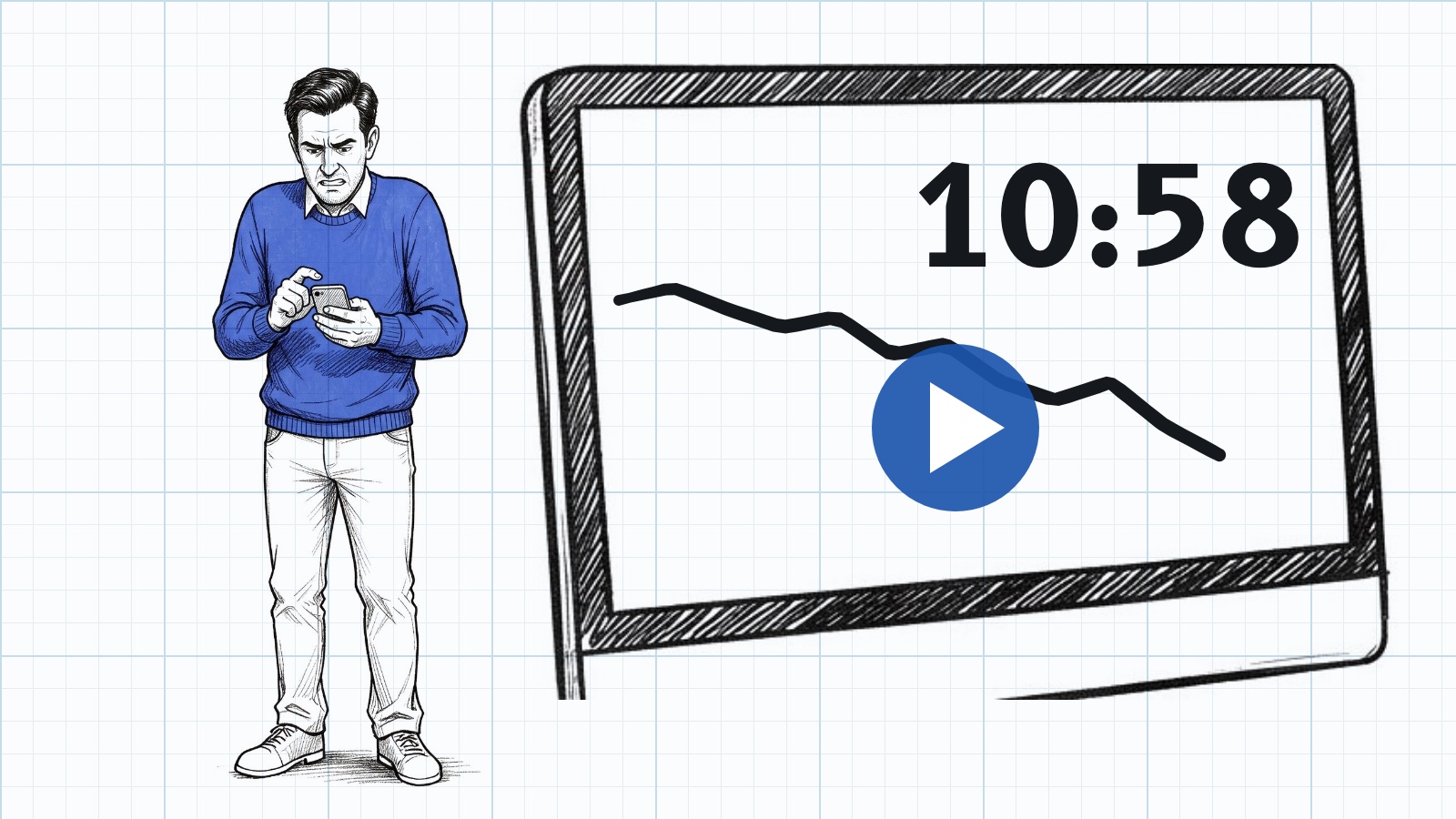
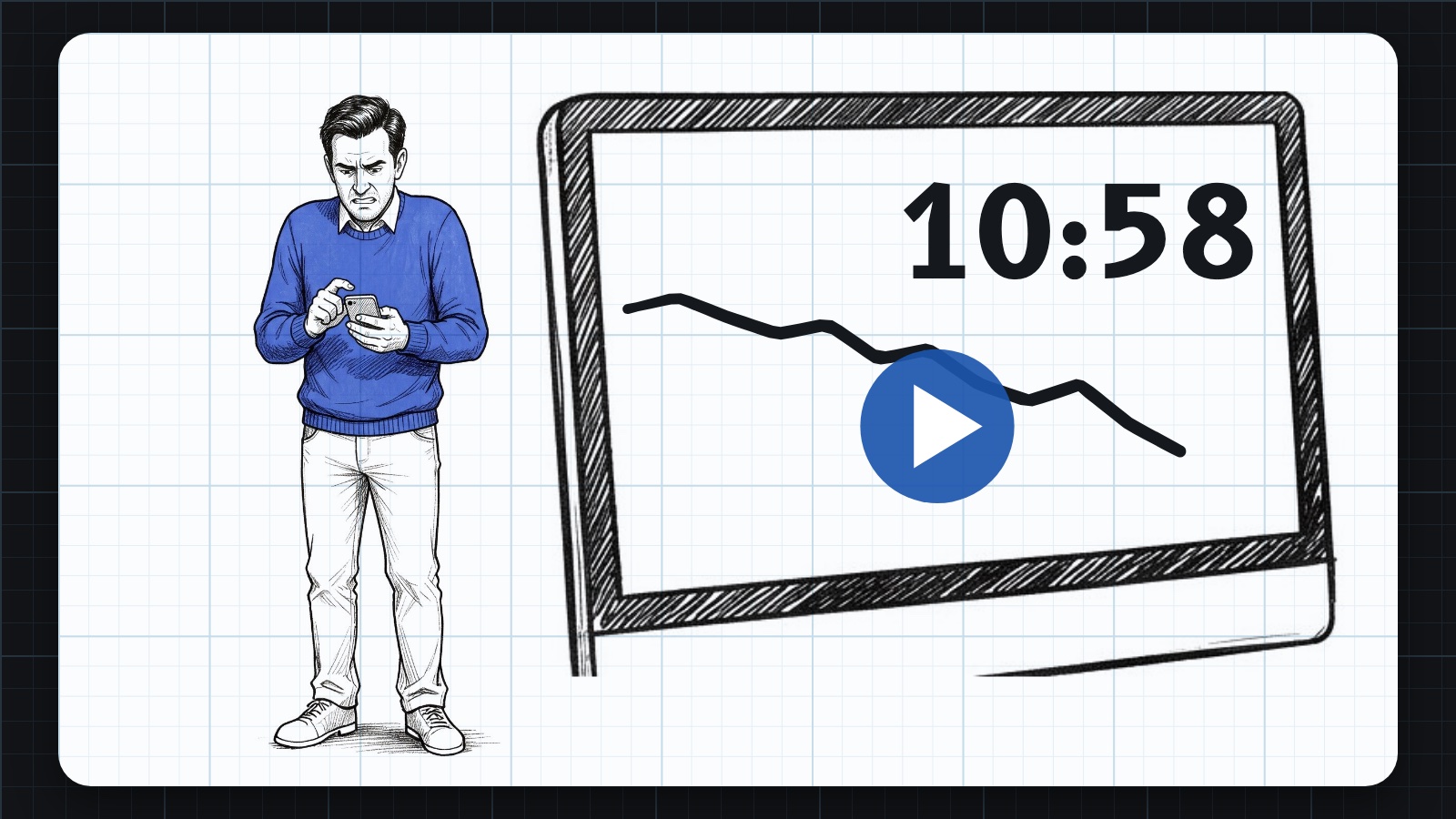
It’s two minutes to eleven, and the morning went badly. The afternoon is still ahead. A study of over five million real trades found that, after a bad morning, professionals took above-average risk more often.
The pit
The study covers the Chicago Board of Trade’s Treasury-bond futures pit in 1998. Joshua Coval and Tyler Shumway obtained the record of every trade made there that year by the people on the floor: over five million transactions from 1,082 traders. They focused on 426 active locals, professionals trading their own money with at least 100 trading days and 1,500 trades in the year.
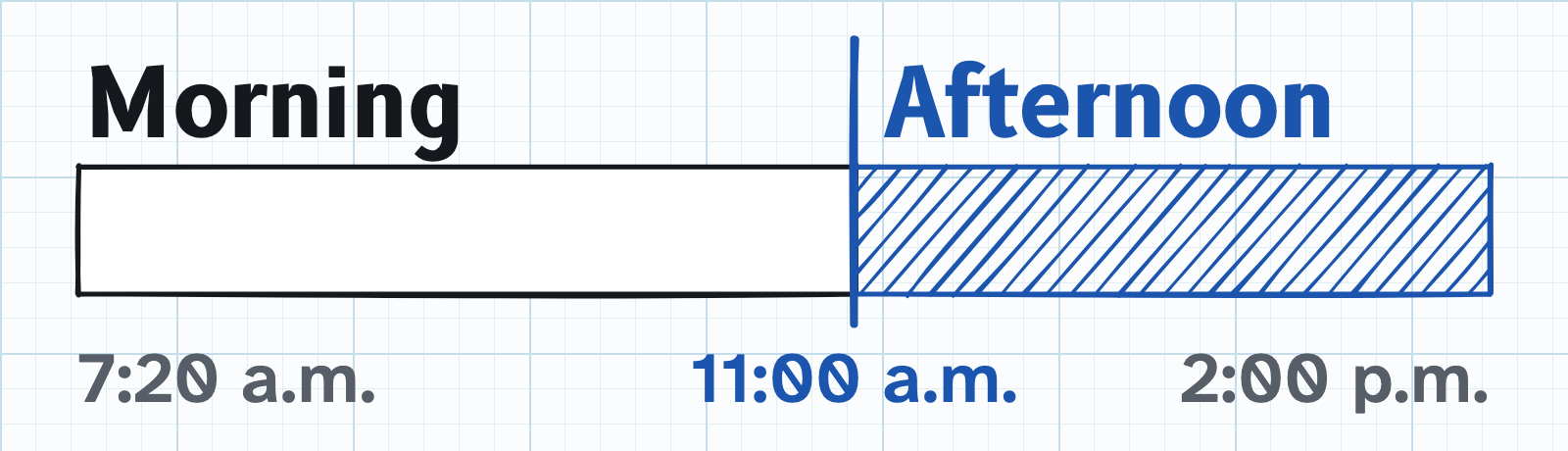
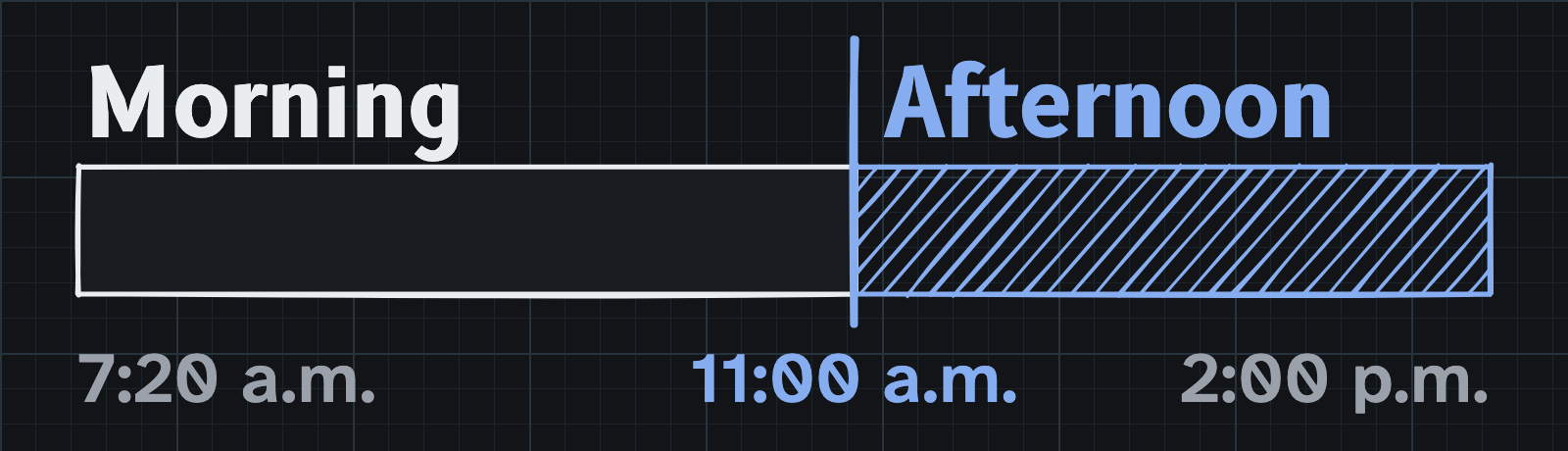
They split each trading day at 11 a.m., near the middle of the session, and asked whether a trader’s morning changed what they did in the afternoon.
What they found
The morning did change the afternoon. After a losing morning, traders took above-average risk in the afternoon 31.2% of the time. After a profitable morning, the figure was 27.0%.
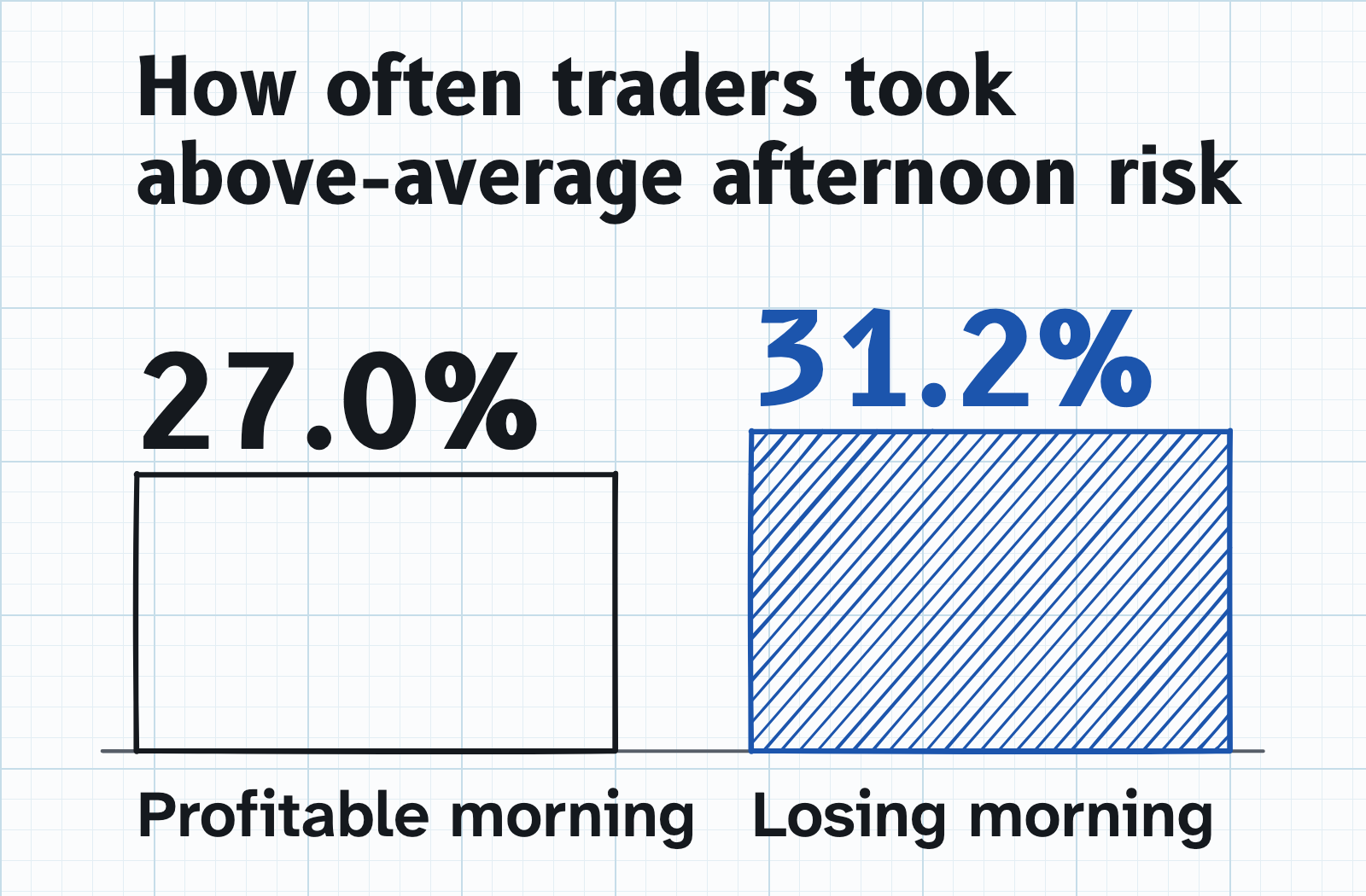
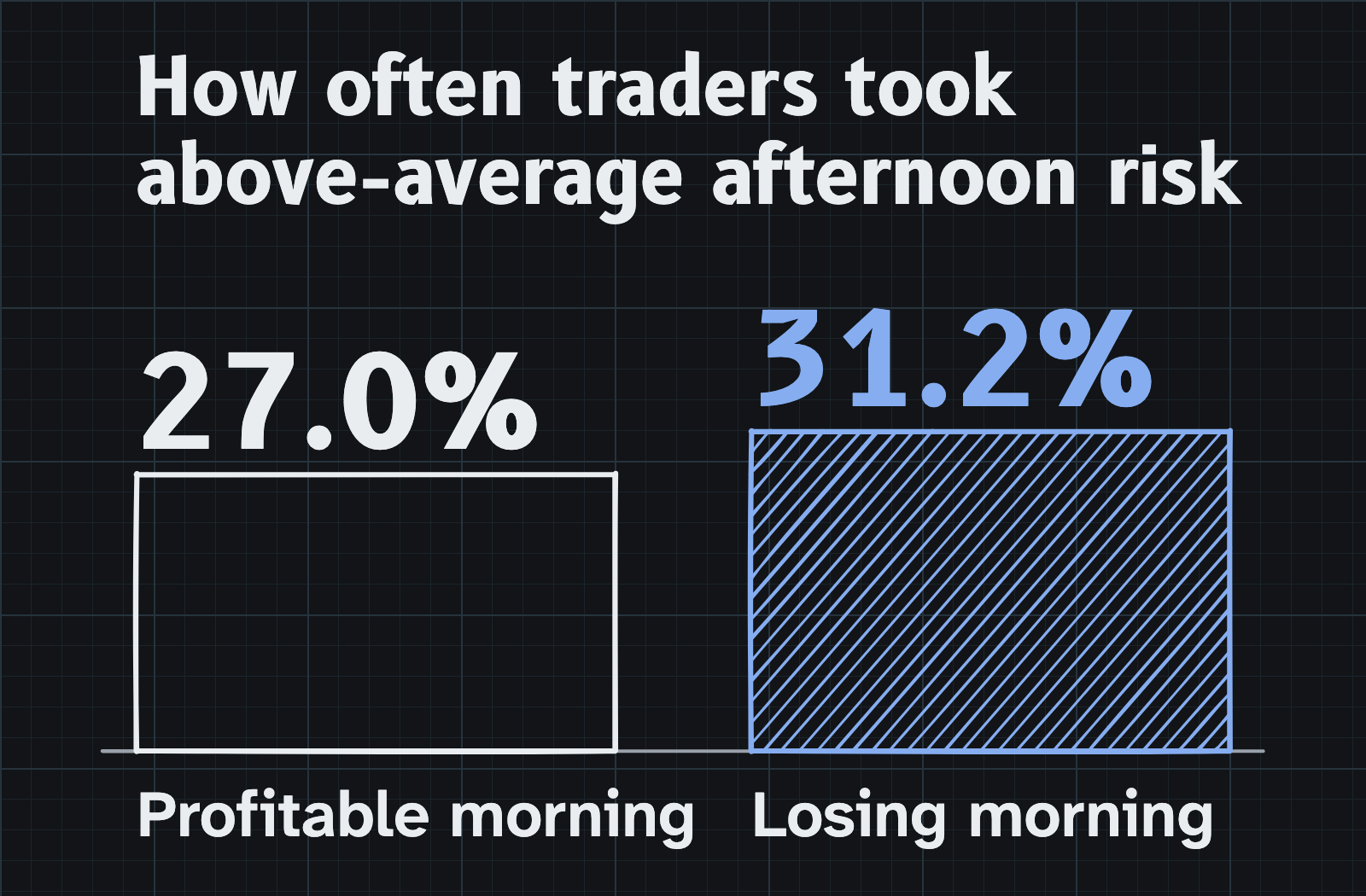
After a losing morning they also made more trades, made larger trades and carried more inventory.
The prices they set did not last. Morning losers made 38% of the locals’ price-setting trades in the afternoon, and those prices reversed faster than the ones set by everyone else.
The limits
This is one market, in one year, a long time ago. The gap is about four percentage points, and on most bad mornings most traders did not take above-average risk. The study does not measure whether the extra risk lost money; what it shows is that the prices it produced did not hold.
A separate study of futures floor traders, by Peter Locke and Steven Mann, found that traders held losing positions longer than winning ones, and that the more successful traders did so less.
Why it might happen
Nobody can see inside those traders’ heads, but psychologists have tested one explanation in the lab. Richard Thaler and Eric Johnson found that after a loss, people became more drawn to bets that offered a way back to even. Later tests are mixed: some found the effect and some did not. If you have ever said “I’ll just get back to even”, you know the feeling.
Decide the evening before
By eleven you are already in it, so the useful moment is earlier. Psychologists call the format an implementation intention: if this happens, then I will do that. Peter Gollwitzer and Paschal Sheeran pooled 94 tests of plans written this way and found a medium-to-large effect on whether people followed through.
For a bad morning, the line might read: if my account is down this much, by this time, then I will do this. You choose the number, the time and the action. The research is about deciding in advance; an evening is a calm time to do it.
In a lab experiment on trading, Urs Fischbacher and colleagues found that automatic exit orders made people more willing to sell their losers, while reminders alone did not.
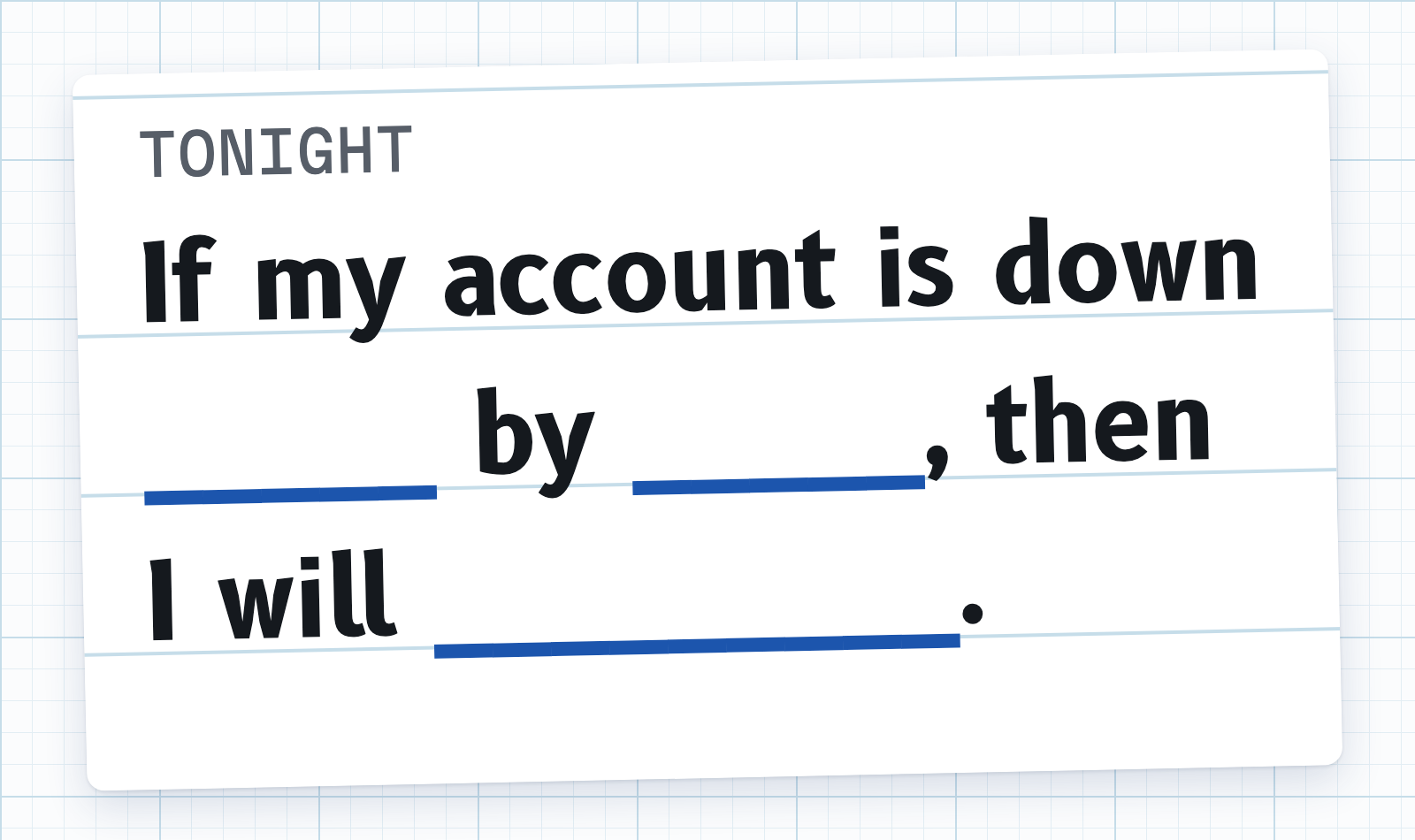
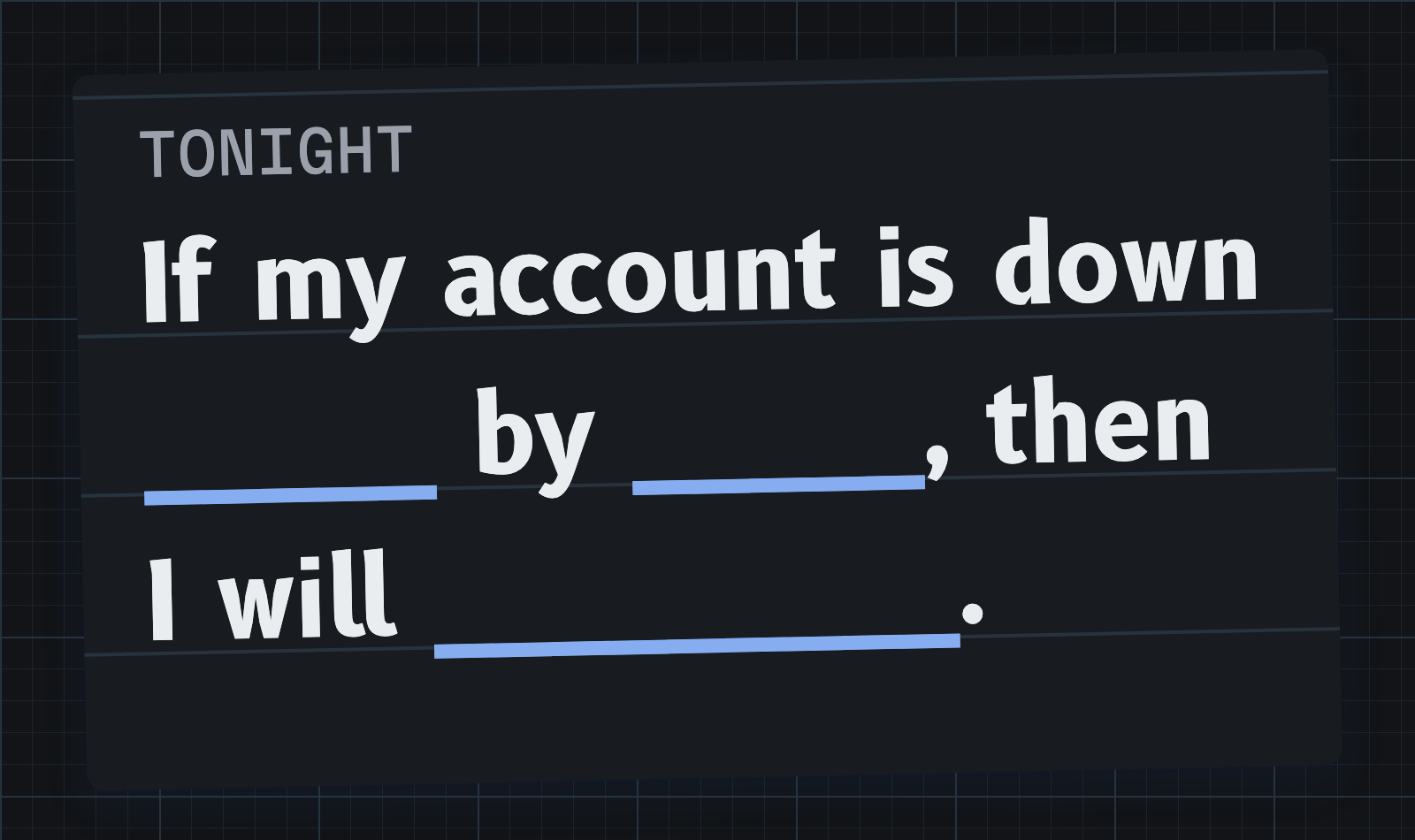
Tonight, write your one line, and keep it where you will see it before the open.
Sources
- Coval, J. & Shumway, T. (2005). Do Behavioral Biases Affect Prices? Journal of Finance 60(1), 1–34.
- Locke, P. & Mann, S. (2005). Professional trader discipline and trade disposition. Journal of Financial Economics 76(2), 401–444.
- Thaler, R. & Johnson, E. (1990). Gambling with the House Money and Trying to Break Even. Management Science 36(6), 643–660.
- Gollwitzer, P. & Sheeran, P. (2006). Implementation Intentions and Goal Achievement: A Meta-analysis. Advances in Experimental Social Psychology 38, 69–119.
- Fischbacher, U., Hoffmann, G. & Schudy, S. (2017). The Causal Effect of Stop-Loss and Take-Gain Orders on the Disposition Effect. Review of Financial Studies 30(6), 2110–2129.
Research only. Not investment advice. Read the risk notice